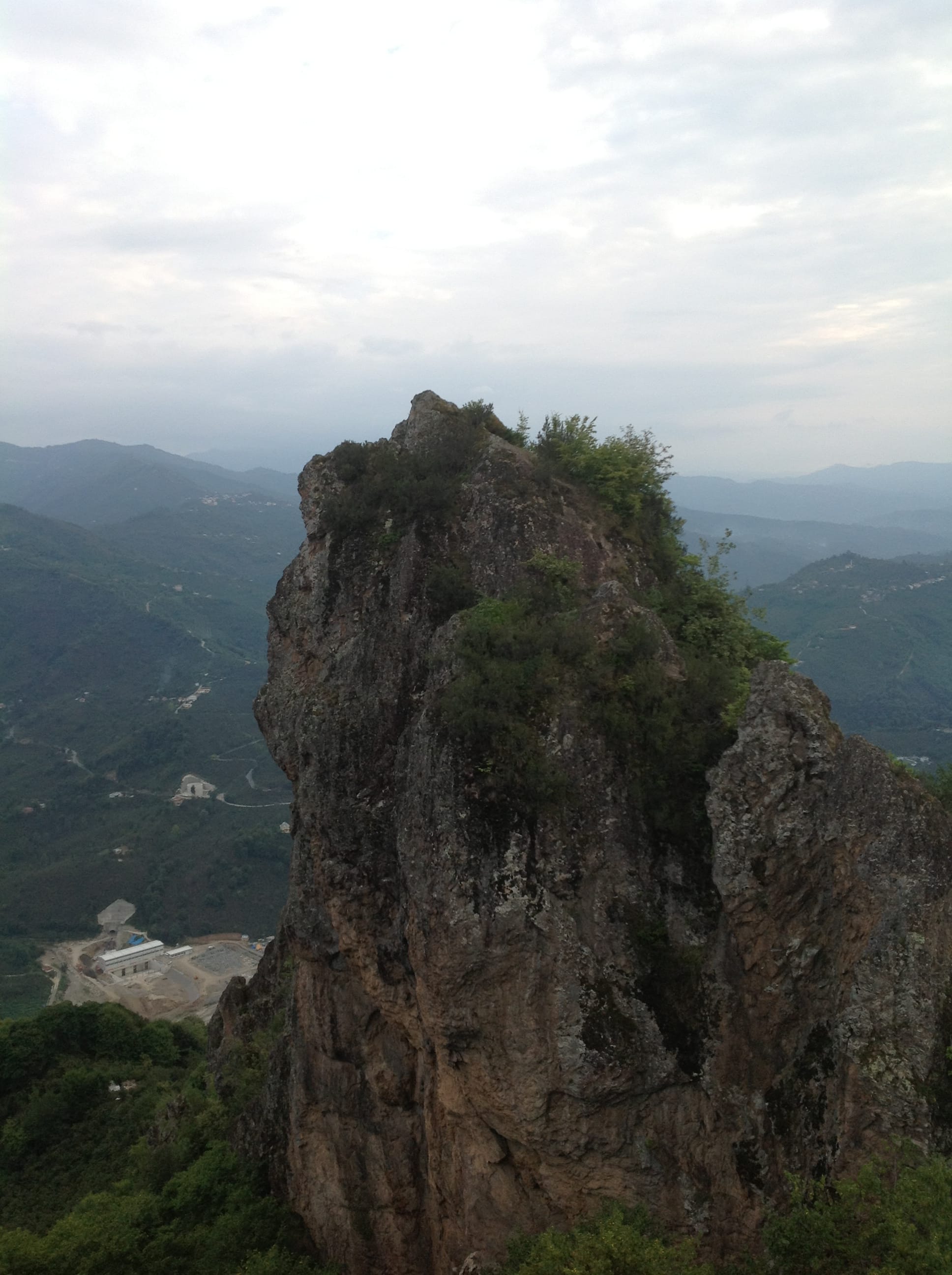
Archaeologists digging at Kurul Castle in northern Türkiye say this season's work has uncovered new areas associated with the cult of Dionysos. The finds add to earlier discoveries linked to the goddess Cybele at the site, which reports describe as 2,300 years old and as built under Mithridates VI of Pontus, who ruled from about 120 to 63 BCE. Türkiye Today reported the news on 12 October 2026, and so did Arkeonews. The wire copy carried by Haber61 and Yeni Şafak comes from İHA.
What was announced
According to Türkiye Today, the dig is led by Professor Süleyman Yücel Şenyurt of Ankara Hacı Bayram Veli University. It reports him as saying that this year's excavations had uncovered previously unidentified areas associated specifically with the cult of Dionysos. In the İHA wire copy, Şenyurt is reported as saying that "this year we came across more special areas of Dionysos" (our translation), having already found an object belonging to Dionysos.
Arkeonews attributes the announcement to a statement of 12 October by Ordu Metropolitan Municipality. The same article says that although Şenyurt stressed the importance of the latest objects for understanding religious practice at the site, the team had yet to release detailed descriptions of them. So that report gave the claim that cult areas had been found, not an account of what is in them.
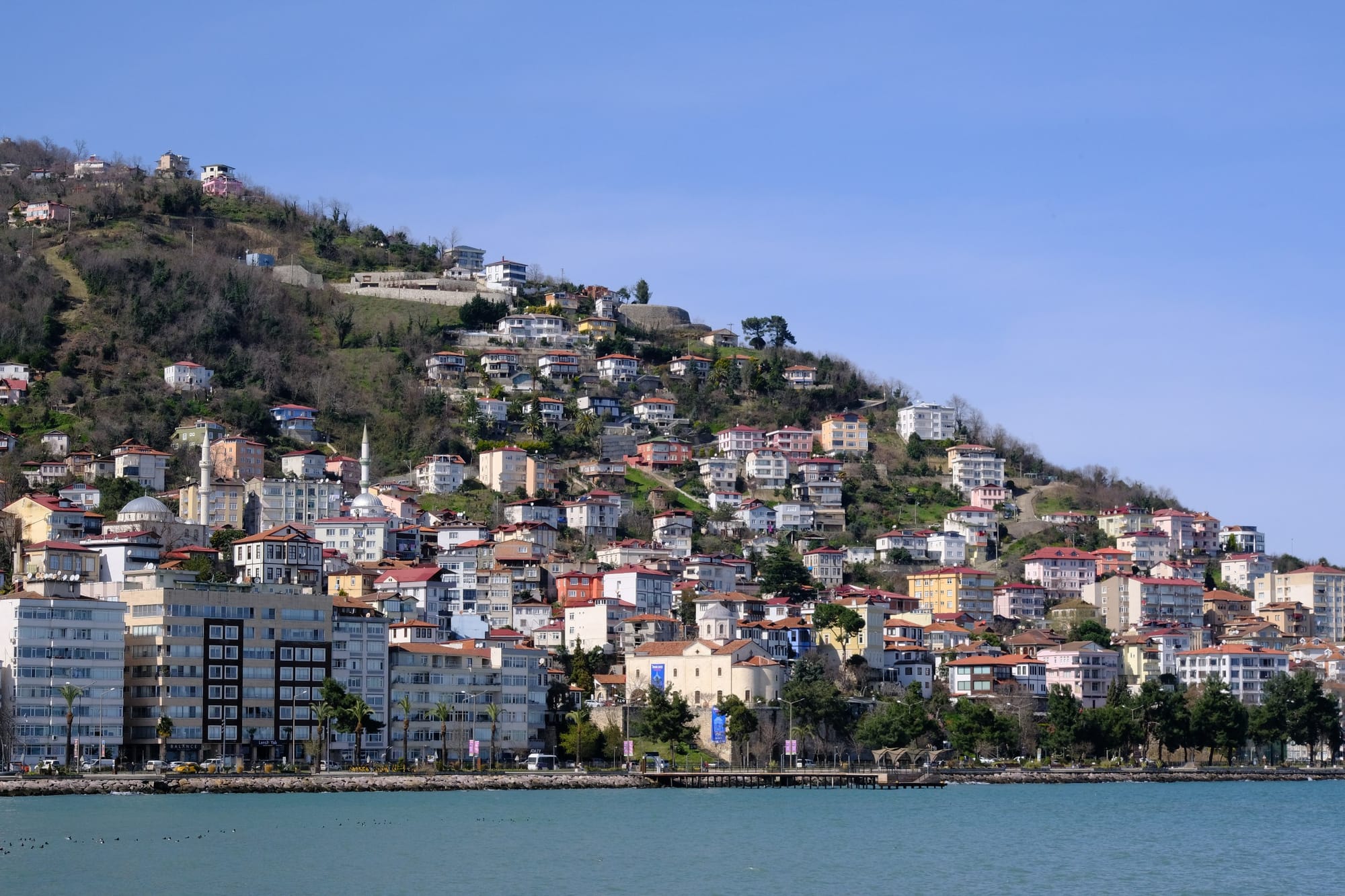
The site is in the Bayadı neighbourhood of Ordu's Altınordu district on the Black Sea coast, according to Türkiye Today. Arkeonews puts it about 13 km from central Ordu. Türkiye Today describes it as the first site in the eastern Black Sea region to undergo scientific archaeological excavation. Arkeonews says archaeologists have worked there since 2010. In the İHA wire copy, Şenyurt thanks the Ministry of Culture and Tourism and Ordu Metropolitan Municipality for supporting the excavations.
What had already come out of the ground
Before this season, Türkiye Today says, the dig had produced a statue of Cybele, a figure of the child Dionysos, a representation of Pan and composite vessels decorated with goat-shaped animal figures. Arkeonews adds that the excavators have linked the goat-shaped vessels to ceremonial activity involving these deities.
The Cybele statue is the headline find. Arkeonews dates its discovery to 2016 and describes a marble figure seated on a throne near the main entrance. It stands about 110 cm tall and weighs around 200 kg. It was found in its original position, with evidence that a wooden structure had collapsed over it. Coins and arrowheads lay around it, some of which Arkeonews says may have been offerings. Later seasons turned up smaller Cybele figures, more Dionysos imagery and objects associated with Apollo and Hermes. Arkeonews reads the whole assemblage as pointing to several divine figures rather than a single cult.
A king who called himself Dionysos
The Dionysos link has a royal backdrop. Arkeonews says Mithridates VI identified himself with the god. Its July 2025 article cites an inscription from Delos, dated to 94/93 BCE, in which a priest of Sarapis named Dicaeus made a dedication on behalf of the Athenians, the Romans and "King Mithridates Eupator Dionysus".
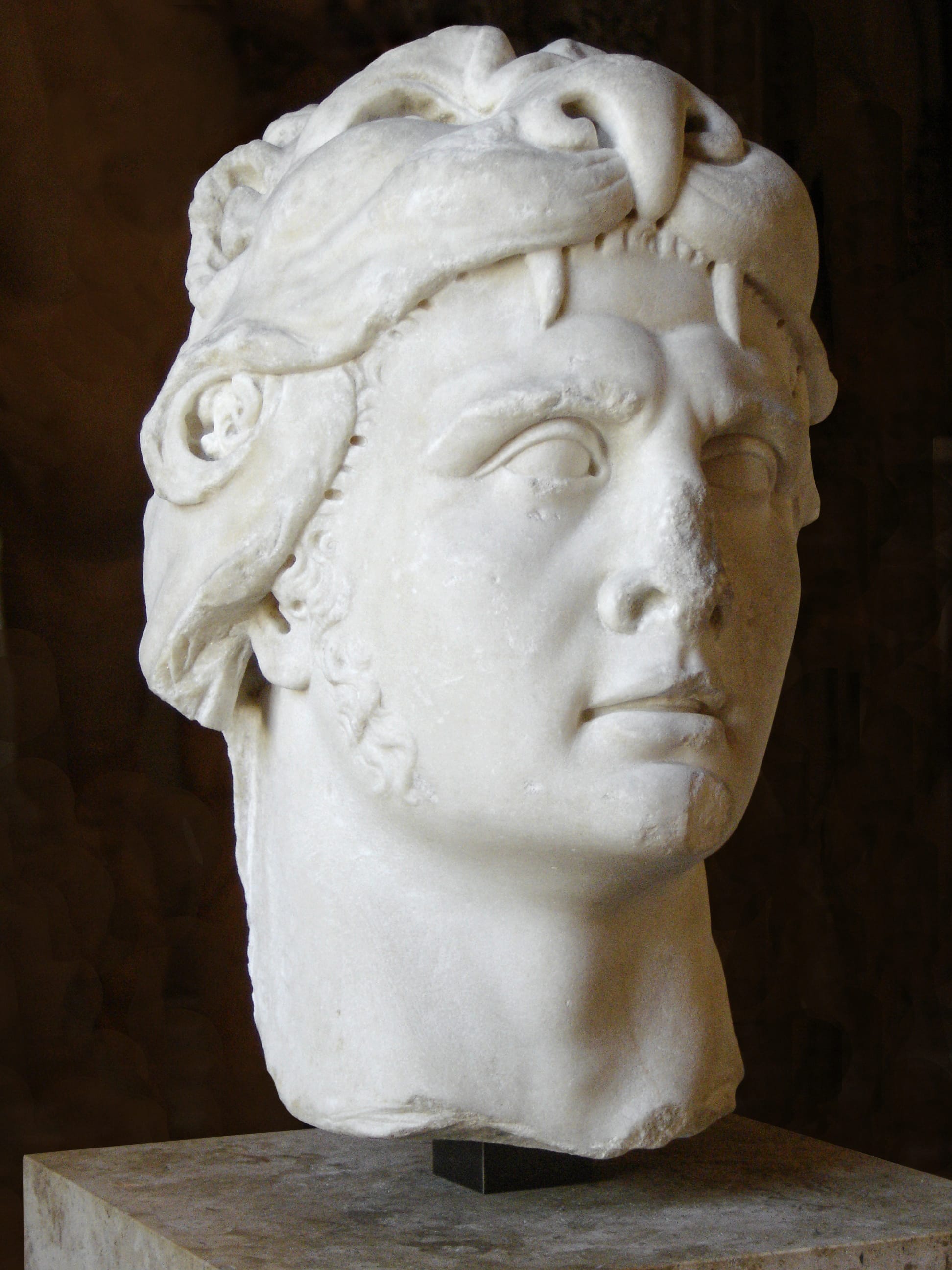
Arkeonews and Ancient Origins, in their July 2025 reports, both read more into it. Arkeonews calls the fusion of king and god "public, official, and strategic"; Ancient Origins reads the inscription as showing it to be "official state policy", and calls it a political strategy to cast Mithridates as liberator of the East from Roman dominance. That is the outlets' interpretation. The firmer fact is the inscription itself. Arkeonews's October 2026 report links the site's Dionysos associations to Mithridates' identification with the god.
Not as Greek as the label suggests
Several of the accounts of Kurul describe its religion as more than simply Greek. Cybele is described by Arkeonews and by the excavation head as an ancient Anatolian mother goddess. Ancient Origins, in July 2025, quotes Şenyurt as saying that a group of finds revealed "a god of Anatolian origin who was the partner of Cybele. This is Dionysus." Ancient Origins says the presence of these diverse deities suggests a syncretic religious environment where local Anatolian traditions merged with Hellenistic cult practices. In the İHA wire copy, Şenyurt says that this year's finds, together with the Dionysos cult, will introduce "Anatolia's two god and goddess figures" (our translation) to the scientific community. In context he appears to mean Dionysos and Cybele.
Türkiye Today, by contrast, calls Dionysos "the Greek god". Read together, those pieces suggest a site where Hellenistic religion and Anatolian religion cannot easily be separated. That is my reading, not an excavator's claim.
Fortress or settlement?
Ordu Metropolitan Mayor Mehmet Hilmi Güler visited the site and said about 40% of the excavation work had been completed, according to Türkiye Today and the İHA wire copy. Türkiye Today quotes him saying: "This is not just a castle, but also a settlement. The objects discovered here lead us to that conclusion."
Arkeonews lists finds that it says provide evidence of daily life alongside military preparations: bronze keys, pottery, oil lamps, jewellery, coins, arrowheads, spearheads, axes and stone projectiles. It says the site is distinguished from a purely military outpost by its mix of defensive architecture and religious objects. It adds that archaeologists are still reconstructing how individual buildings and spaces functioned.
What to watch
As of Arkeonews's 12 October report, the claim rested on statements from the excavation head, the mayor and the municipality, and the team had yet to release detailed descriptions of the latest finds. The next thing worth reading will be a description of what the new Dionysos areas contain, with the objects and their find-spots set out.
Sources
Buyukyildirim, O. (2025) 'Hidden Gods of Kurul Castle: Dionysus and Pan Figurines Capture Spotlight as Dig Resumes', Arkeonews, 10 July 2025, available at: https://arkeonews.net/hidden-gods-of-kurul-castle-dionysus-and-pan-figurines-capture-spotlight-as-dig-resumes/ (Accessed: 19 October 2026).
Buyukyildirim, O. (2026) 'Archaeologists Uncover New Traces of Dionysus Worship at 2,300-Year-Old Castle in Türkiye', Arkeonews, 12 October 2026, available at: https://arkeonews.net/archaeologists-uncover-new-traces-of-dionysus-worship-at-2300-year-old-castle-in-turkiye/ (Accessed: 19 October 2026).
Haber61 (2026) 'Ordu'daki 2 bin 300 yıllık kalede yeni eserler gün yüzüne çıkıyor' (İHA wire), Haber61, 12 October 2026, available at: https://www.haber61.net/ordu/ordu-daki-2-bin-300-yillik-kalede-yeni-eserler-gun-yuzune-cikiyor/646000 (Accessed: 19 October 2026).
Manners, G. (2025) 'Ancient Dionysus and Pan Figurines at Kurul Castle Reveal Royal Cult Mysteries', Ancient Origins, 11 July 2025, available at: https://www.ancient-origins.net/news-history-archaeology/kurul-castle-dionysus-figurines-0022257 (Accessed: 19 October 2026).
Türkiye Today (2026) 'New Dionysos cult areas uncovered at 2,300-year-old castle in Türkiye's Ordu', Türkiye Today, 12 October 2026, available at: https://www.turkiyetoday.com/culture/new-dionysos-cult-areas-uncovered-at-2300-year-old-castle-in-turkiyes-ordu-3230169 (Accessed: 19 October 2026).
Yeni Şafak (2026) 'Ordu'da 2 bin 300 yıllık sır perdesi aralanıyor: Kurul Kalesi'nin gizemi çözülüyor, toprağın altından tarih fışkırıyor' (İHA wire), Yeni Şafak, 13 October 2026, available at: https://www.yenisafak.com/galeri/hayat/ordu-kurul-kalesinde-yeni-kesif-kibele-ve-dionysos-izleri-bulundu-4863779 (Accessed: 19 October 2026).
Picture credits
- Top picture: Kurul Castle, Ordu, Türkiye. Kurul Castle (Kurul Kalesi), Ordu — photo: HaleYesil, Wikimedia Commons, CC BY-SA 4.0
- Ordu, on Türkiye's Black Sea coast. File photo of the area, not of the excavation. Photo: Ars Borsiov (source)
- File photo: a portrait bust of Mithridates VI. It is not an object from Kurul Castle. Marble bust of Mithridates VI Eupator (as Heracles), Louvre — photo: Eric Gaba (Sting), Wikimedia Commons, CC BY-SA 2.5


