A sheep bone dug up on a Black Sea island in 1989 has been given a new interpretation, though the object itself is not new. Two researchers have published a fresh reading of it. They suggest it may have been used in rituals tied to the worship of Achilles some 2,500 years ago.
What was found, and when
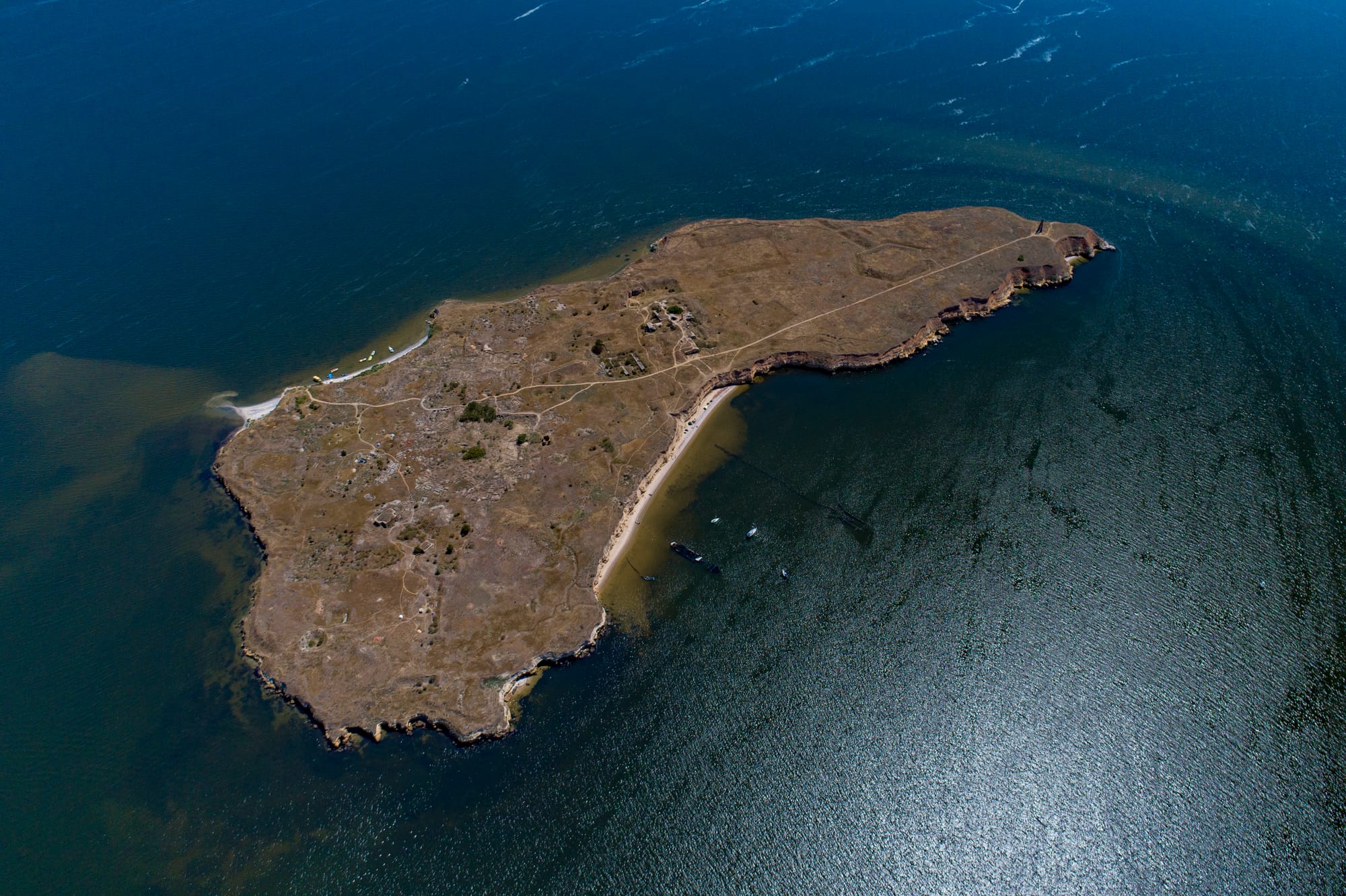
According to Archaeology Newsroom's report of 30 October 2026, the object is a sheep's shoulder blade decorated with two birds and carefully shaped edges. It was excavated in 1989 by the State Hermitage Museum's Berezan Archaeological Expedition at the ancient Greek settlement of Borysthenes, on Berezan Island in the Black Sea.
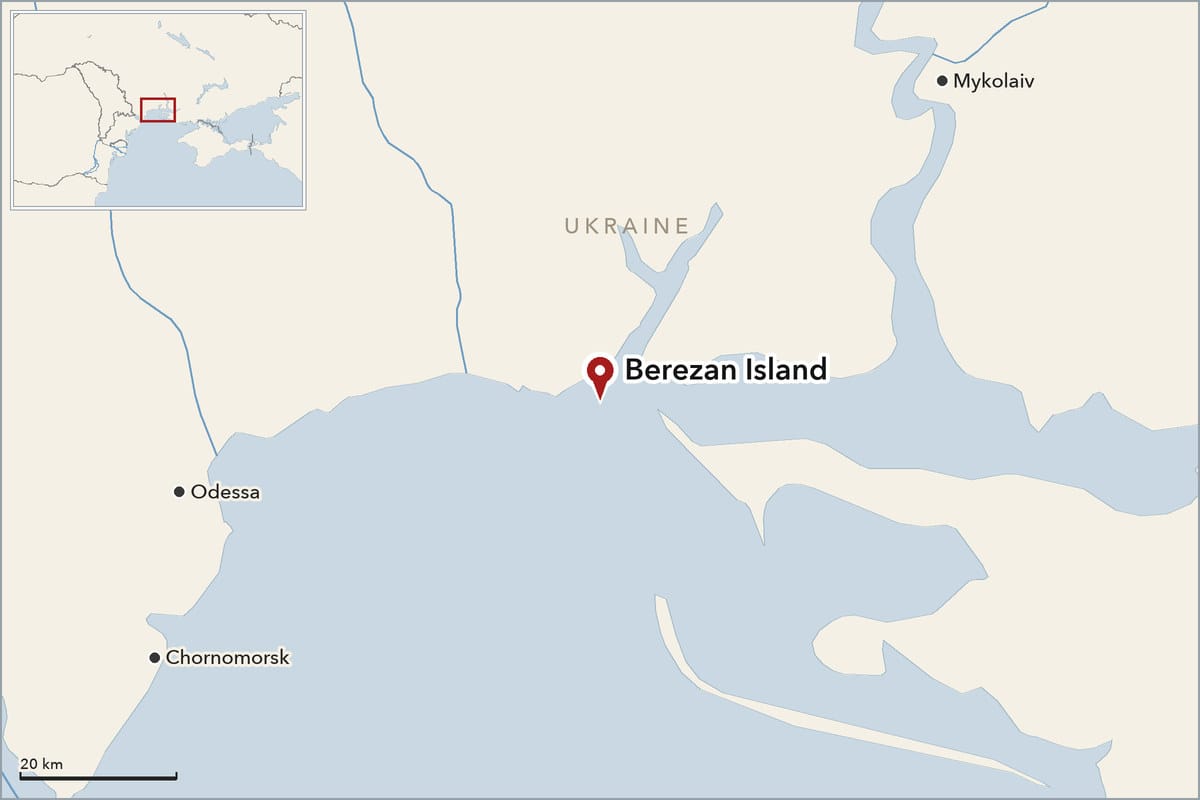
Crazy Alchemist places the island in Mykolaiv Oblast, Ukraine. The new interpretation comes from Sergei Solovyov and Alexei Kasparov, whom Archaeology Newsroom describes as researchers affiliated with the State Hermitage Museum and the Institute for the History of Material Culture of the Russian Academy of Sciences. Their findings appear in the journal Archaeological News (Arkheologicheskie Vesti). Archaeology Newsroom dates the artefact to the sixth century BC. Crazy Alchemist spells Kasparov's first name "Alexey".
The bone itself
The shoulder blade came from a layer dated between the first half and the third quarter of the sixth century BC. Broken pottery, other animal bones and signs of ordinary daily life turned up close by. The date rests on the associated ceramics and on the stratigraphic relationship between the layer and ancient structures.
The sheep was about two to two and a half years old. The blade was deliberately modified after the meat had been cooked: someone cut a row of notches into its wide edge and shaped the raised ridge into a wave. On the outer face, two left-facing birds were incised, their tucked wings and feathers picked out with further lines.
Gull or crow?
The researchers found the birds hard to identify. The birds' look and the island setting suggest they may represent seagulls, but the beaks and plumage also resemble members of the crow family, particularly hooded crows.
The distinction matters because birds carried weight in ancient Greek religious belief, and their movements were frequently read as signs of divine intentions. Ravens, for example, were linked with Apollo, who was among the main gods honoured at Borysthenes and was looked to by seafarers and first settlers for protection.
Achilles was honoured as a protector of the Greek towns on the northern Black Sea coast and of the people who lived in them. According to ancient accounts, remarkable birds watched over his shrines, and researchers mostly take those birds to be gulls. Other evidence from Greek culture also suggests connections between Achilles and birds of the crow family. In the researchers' view, either reading of the engraved birds could therefore support a possible association with the hero's cult. They also note that the bone's undulating ridge may evoke the sea.
A private ritual, if it was a ritual at all
Solovyov, of the Institute for the History of Material Culture of the Russian Academy of Sciences, suggests that the object may have been used in a private ceremony in which an individual sought Achilles' protection and favour. The precise nature of any such ritual remains unknown.
Where the claim stops
The artefact's function has not been conclusively established, and the proposed connection with the cult of Achilles remains a hypothesis rather than a confirmed identification. The researchers acknowledge that neither the precise function of the bone nor its link to Achilles can be established with certainty.
My view is that a notched, engraved, deliberately shaped bone is worth asking questions about, and the Achilles link is a fair question to ask. Even so, it is a possibility the authors themselves decline to firm up. Anyone telling this as the discovery of a hidden cult is going further than the researchers do.
Sources
Archaeology Newsroom (2026) 'Ancient bone may be linked to cult of Achilles', Archaeology Wiki, 30 October 2026, available at: https://www.archaeology.wiki/blog/2026/10/30/ancient-bone-may-be-linked-to-cult-of-achilles/ (Accessed: 5 November 2026).
Crazy Alchemist (2026) 'Carved Sheep Bone from Berezan May Point to Achilles Worship', Crazy Alchemist, 1 November 2026, available at: https://www.crazyalchemist.com/news/carved-sheep-bone-from-berezan-may-point-to-achilles-worship/ (Accessed: 5 November 2026).
Picture credits
- Top picture: Berezan Island, Mykolaiv Oblast, Ukraine. Photo: Oleg Marchuk, CC BY-SA 4.0 (source)
- Map: drawn from Natural Earth (public domain) and Wikidata.
