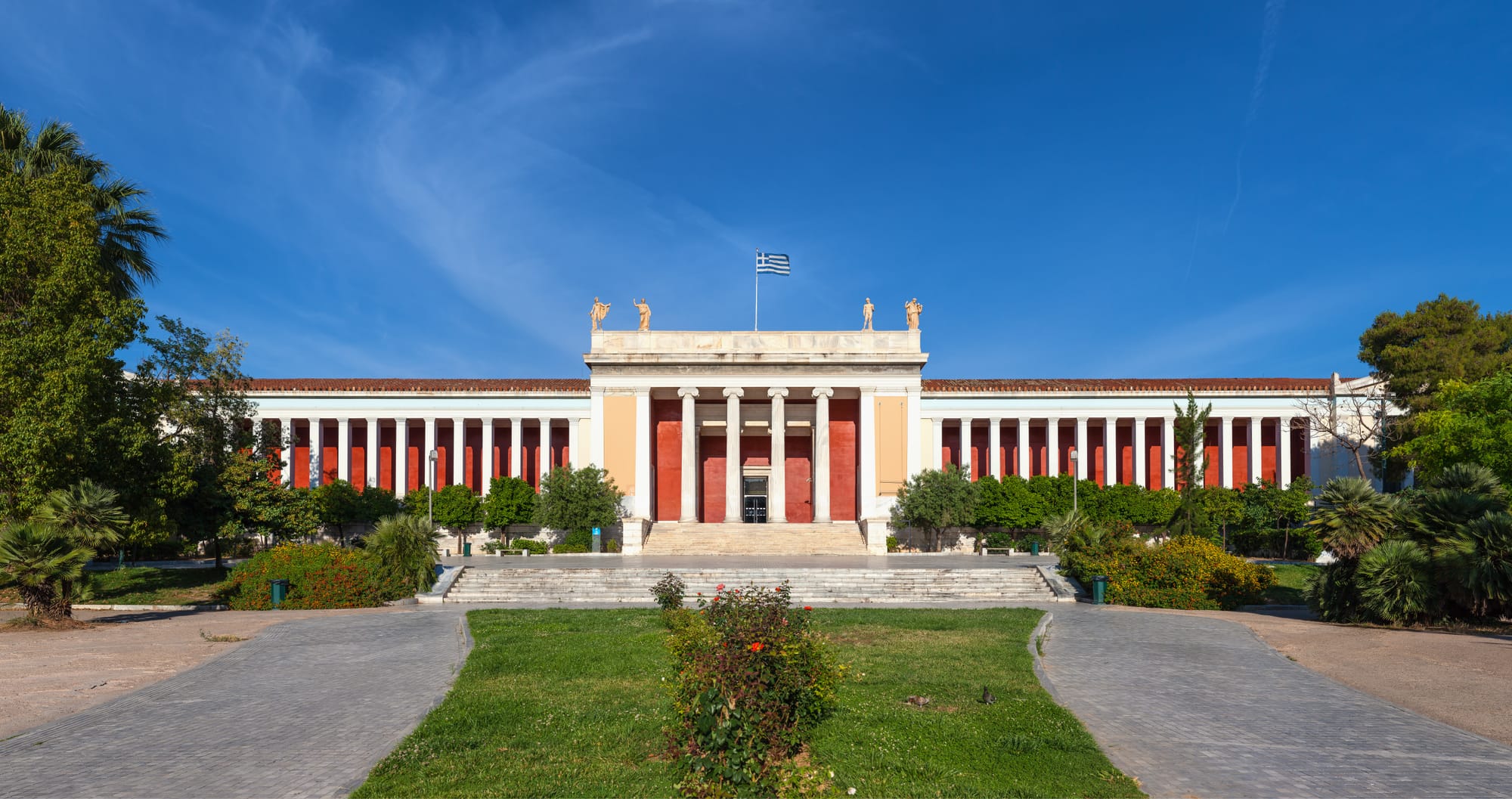
On 19 October 2026 the National Archaeological Museum in Athens said it was "very pleased to announce the extension" of its exhibition "Pylos of Nestor: A Mycenaean Kingdom Revealed" until the end of January 2027. Greek City Times, reporting the extension on 21 October, gives the closing date as Sunday, 31 January 2027.
The announcement does not say why the show was extended. It does say that a schedule of exhibition tours led by the exhibition's curators would be given in a later announcement.
What is in the exhibition
According to the museum's exhibition page, the show opened on 25 May 2026 and has run since 26 May. It features 214 antiquities from the Ephorate of Antiquities of Messenia and 11 from the National Archaeological Museum itself. They are set in dialogue with selected works from the museum's permanent Mycenaean collection.
The museum describes the narrative as a journey from scattered centres of power to the establishment of the palace at Ano Englianos, "where the kingdom traditionally associated with the Homeric Nestor took shape." The museum's wording is "traditionally associated" and its page says the palace "was identified as" Nestor's Pylos. That is how the museum frames it, and it is the careful way to put it.
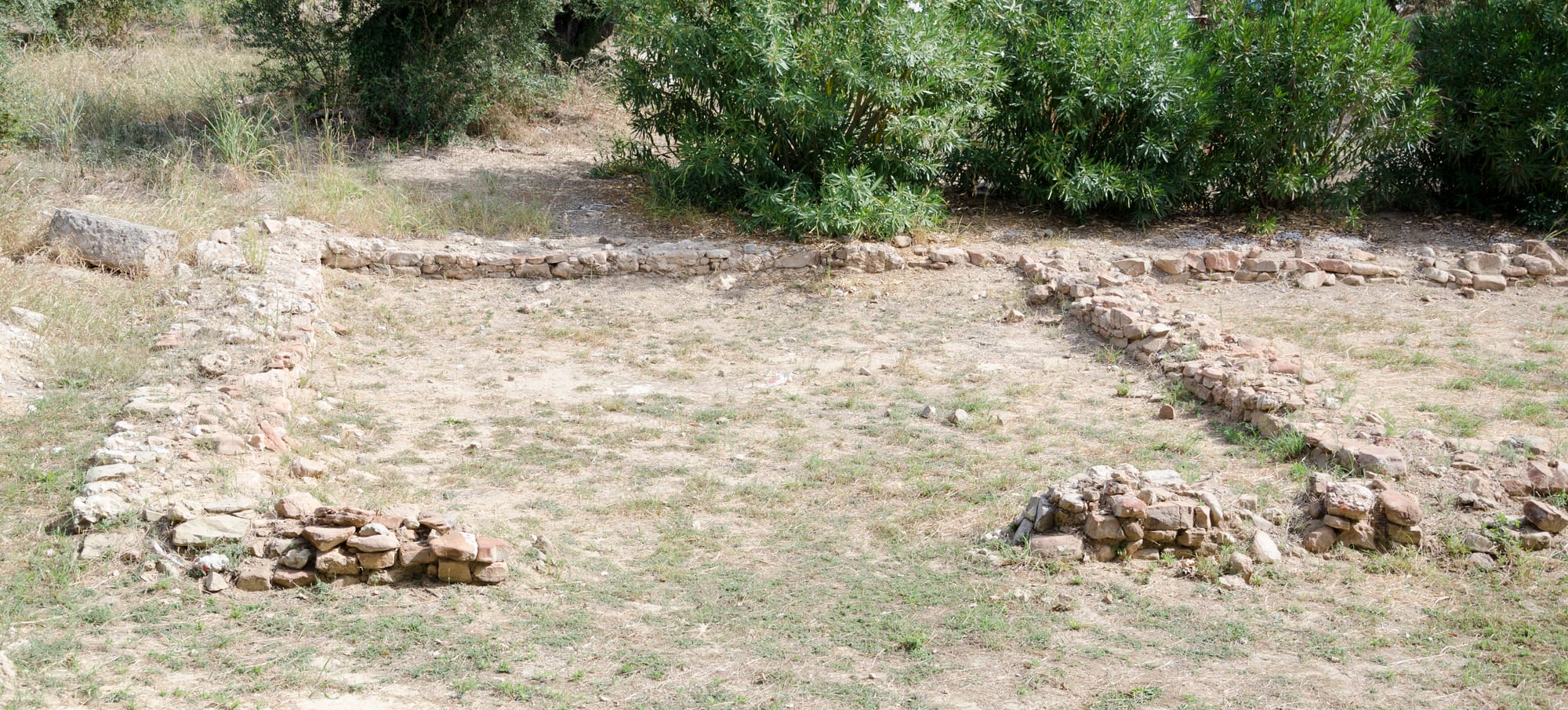
The page gives some detail on the palace itself. In 1939, it says, Carl W. Blegen and Konstantinos Kourouniotis uncovered it during excavations in Messenia. It was built shortly after 1300 BCE and served as the administrative centre of a kingdom that controlled almost the whole of modern Messenia. The ground floor had more than 100 rooms. Near the entrance was the palace archive, where the first Linear B tablets found on the Greek mainland came to light. According to the museum, a major fire destroyed the palace around 1200 BCE, and the hill was abandoned, as were many other sites in Messenia.
The objects pictured on the museum's page include a bronze crown with a gold star-flower ornament, a bronze dagger with a gold-plated hilt, a gold seal showing a griffin, a Linear B clay tablet known as the "Tripod Tablet", and a wall painting of a griffin and a lion.
Part of a longer journey
The Athens show is the third stop on a route that began at the Archaeological Museum of Messenia in February–May 2025 and then moved to the J. Paul Getty Museum. Greek City Times dates the Getty run June 2025 to January 2026. The museum says the exhibition was organised with the Ephorate of Antiquities of Messenia, with contributions from the Getty and the University of Cincinnati's Department of Classics. For Athens, it says, the exhibition was reconfigured with a new design concept and enriched narrative approaches.
The part worth noticing
My view is that the most interesting choice here is how the show presents its own evidence. The museum says the first excavators of Messenia's prehistoric monuments are part of the narrative. Excerpts from excavation diaries, drawings and archival photographs run through the show, and the museum says they reveal the process of excavation "from the moment of discovery to recording and interpretation."
The museum says visitors are meant to look at the data and draw their own conclusions about society and life at the Palace of Nestor in the Bronze Age. A show that features the excavation record throughout, and says in its own text that the palace "was identified as" Nestor's, invites that kind of scrutiny.
Visiting
The museum lists these opening hours:
- Until 15 November 2026: Wednesday to Monday 08:00–20:00 (last admission 19:30); Tuesday 13:00–20:00 (last admission 19:30).
- From 16 November 2026: Wednesday to Monday 08:30–15:30 (last admission 15:00); Tuesday 13:00–20:00 (last admission 19:30).
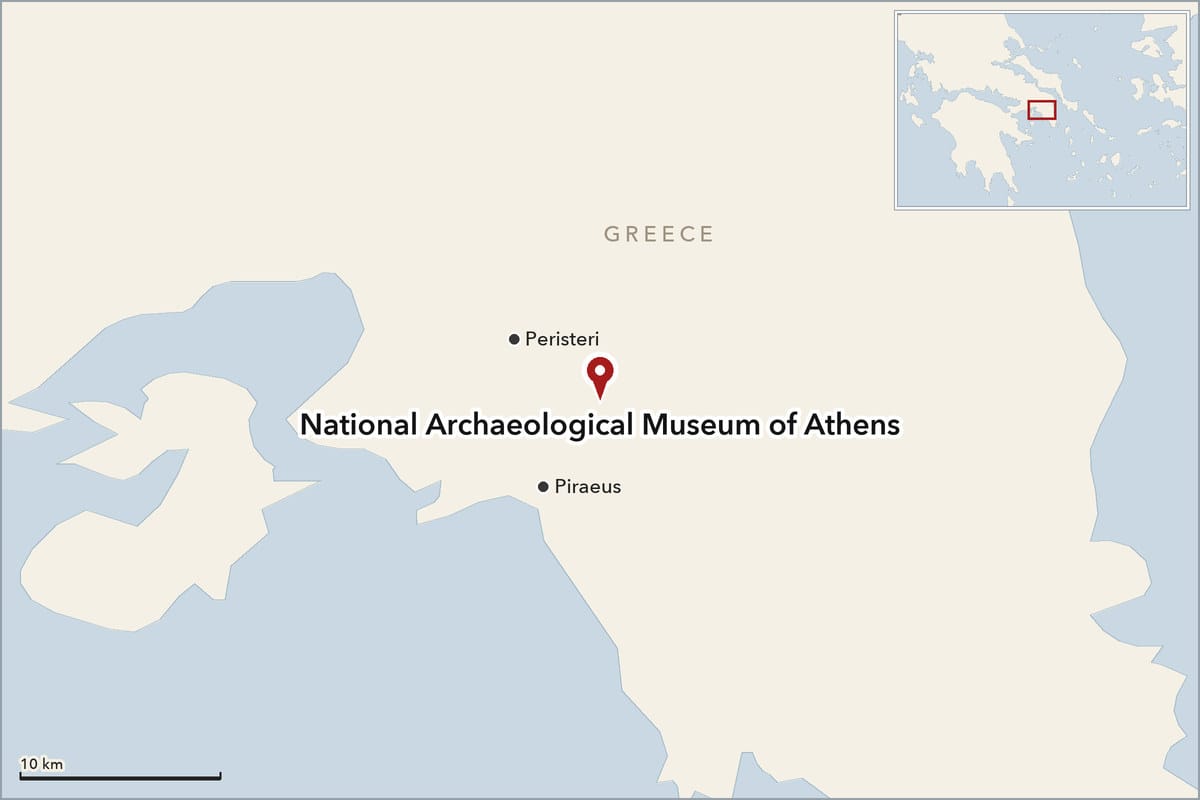
Admission is free for all visitors on the first and third Sunday of each month from 1 November to 31 March. Senior citizens over 65 from Greece or other EU member states get 50% off single tickets from 1 October to 31 May, on showing an ID card or passport. The museum is at 44, 28 Oktovriou (Patission) Street, Athens.
Sources
National Archaeological Museum (2026a) 'Extension of the exhibition "Pylos of Nestor: A Mycenaean Kingdom Revealed"', National Archaeological Museum, 19 October 2026, available at: https://www.namuseum.gr/en/new/extension-of-the-exhibition-pylos-of-nestor-a-mycenaean-kingdom-revealed/ (Accessed: 21 October 2026).
National Archaeological Museum (2026b) 'Pylos of Nestor: A Mycenaean Kingdom Revealed', National Archaeological Museum, 6 June 2026, available at: https://www.namuseum.gr/en/temporary_exhibition/pylos-of-nestor-a-mycenaean-kingdom-revealed/ (Accessed: 21 October 2026).
Papadopoulos, K. (2026) 'National Archaeological Museum Extends Mycenaean Kingdom Exhibition', Greek City Times, 21 October 2026, available at: https://greekcitytimes.com/2026/10/21/national-archaeological-museum-extends-mycenaean-kingdom-exhibition/ (Accessed: 21 October 2026).
Picture credits
- Top picture: The National Archaeological Museum, Athens. © Thomas Wolf, www.foto-tw.de (CC BY-SA 3.0 DE) (source)
- Image: Peulle (CC BY-SA 4.0) (source)
- Map: drawn from Natural Earth (public domain) and Wikidata.

