Scholars have identified evidence for three towns in Cyprus named after the Ptolemaic queen Arsinoe II. One of them has never been found, and a new article argues it may never have existed.
The article is by Giorgos Papantoniou of Trinity College Dublin. It was published online on 16 October 2026 in the Annual of the British School at Athens as an open-access First View paper, pp. 1–22. Its title is "Political Economy and Imperial Integration: The Importance of the Arsinoe Cult in Shaping Ptolemaic Power". Its larger claim is about what the queen's cult did. In the abstract, Papantoniou says the royal cult "functioned in both official and popular religious spheres and operated as a mechanism connecting local communities with the Ptolemaic administration". He uses Cyprus as his case study.
A queen tied to the sea
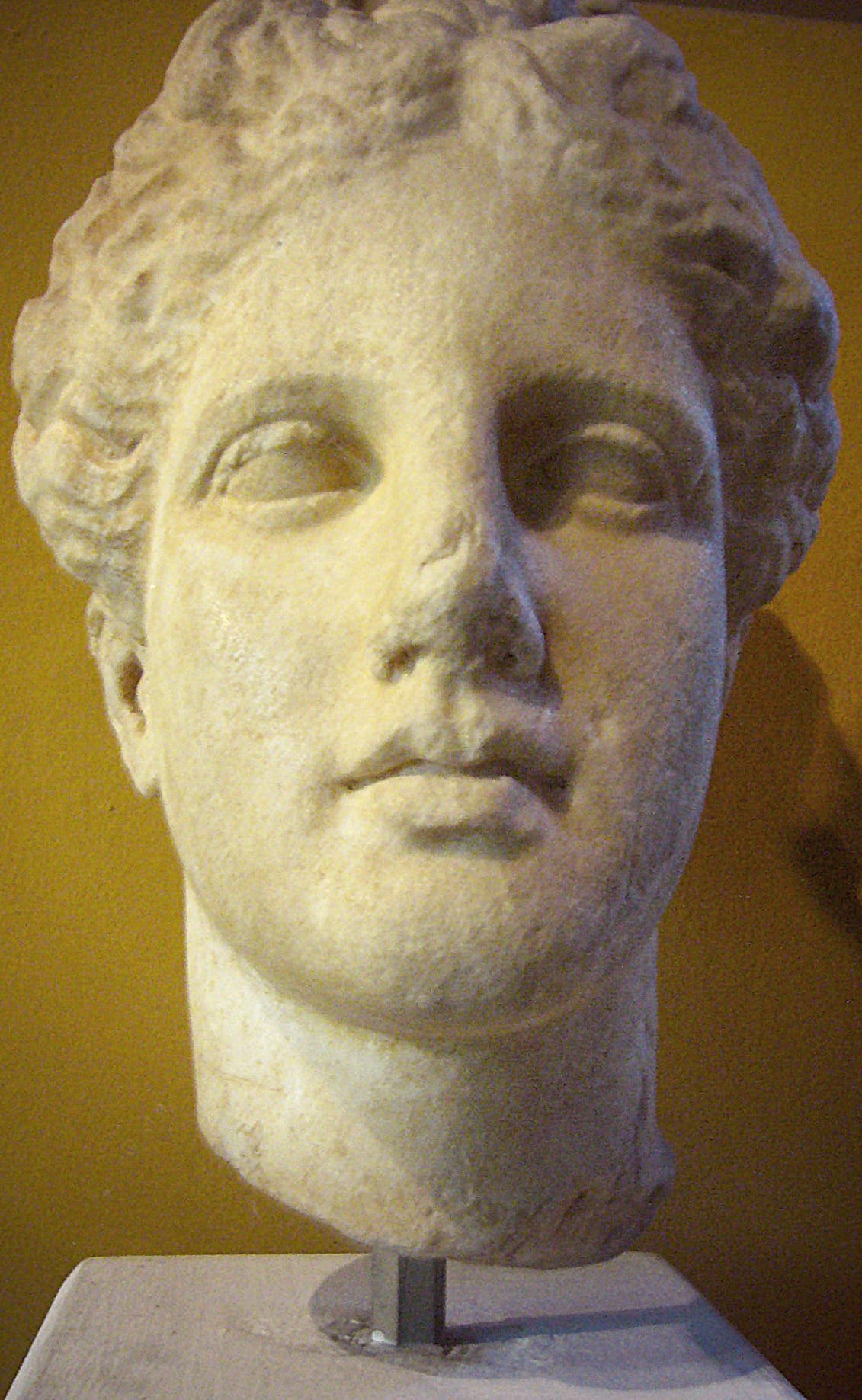
Arsinoe II was the wife and sister of Ptolemy II and was deified around 270 BC, according to the paper. Her cult was associated with Aphrodite, whom Papantoniou calls the Cypriot goddess par excellence. Aphrodite was also worshipped as Euploia, described in the paper as a saviour of the shipwrecked and protectress of sailors and the navy.
Papantoniou is careful about how far that link goes. He writes that, as far as he can ascertain, there is no epigraphic evidence placing Arsinoe's name next to Aphrodite specifically as Euploia. He argues there is enough evidence that some of the goddess's qualities were attributed to the queen. He also records that another scholar, Anastassiades, disputes the identification of Arsinoe with Aphrodite in a Cypriot context. Papantoniou calls those objections reasonable but stresses an association rather than a clear identification.
The name itself, he argues, relates to the dynasty's growing maritime power. At least 16 Ptolemaic settlements bore the name of Arsinoe, from Lycia and Cilicia to Crete, Cyrenaica, Keos and the Red Sea. Many were founded next to promontories with easy access to anchorages.
Three Arsinoes, one in doubt
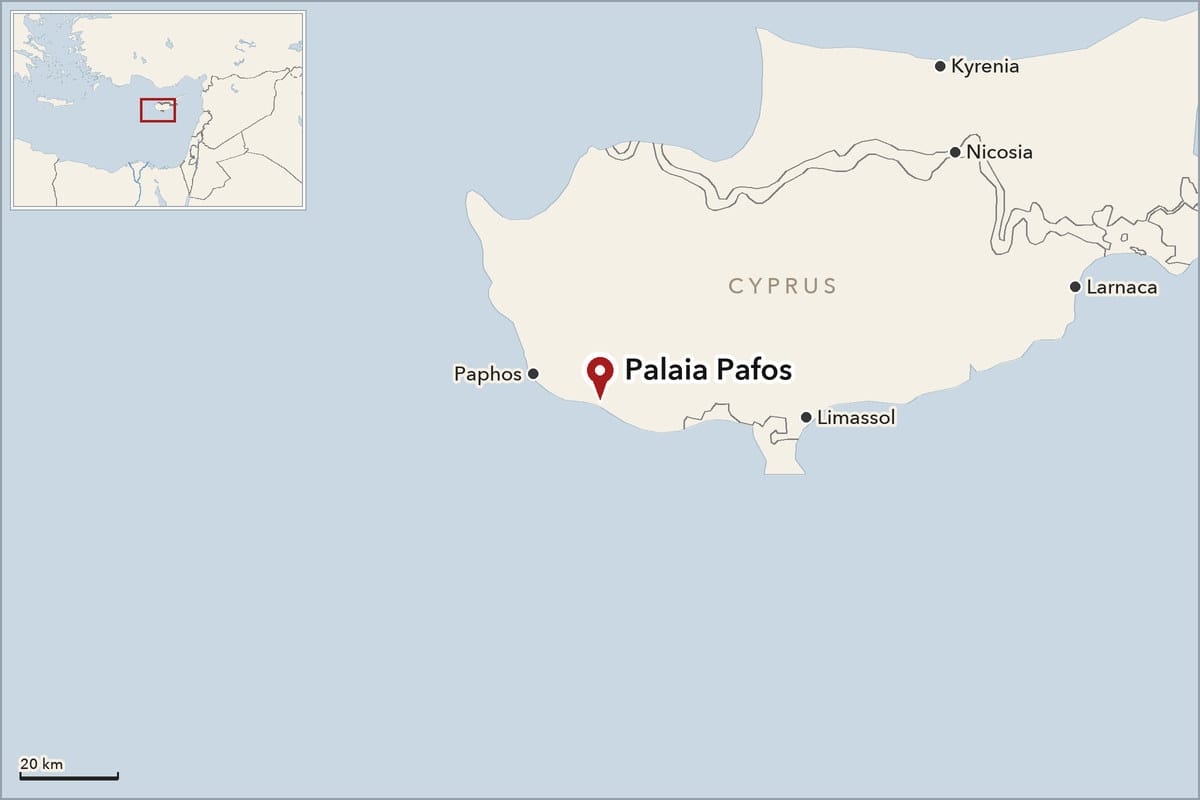
The archaeological evidence is far from clear in all three cases, the paper says, though it is better for Marion/Arsinoe; what is known of the other two rests solely on problematic textual sources.
Marion/Arsinoe, on the western coast. This is the best-supported. Diodorus (19.79.4) says Ptolemy I destroyed Marion in 312 BC and moved its population to Nea Paphos. Papantoniou cites Cohen's suggestion that the restoration of Marion coincided with its renaming by Ptolemy II. The archaeological evidence from the site, he writes, strongly suggests a thriving Hellenistic urban centre.
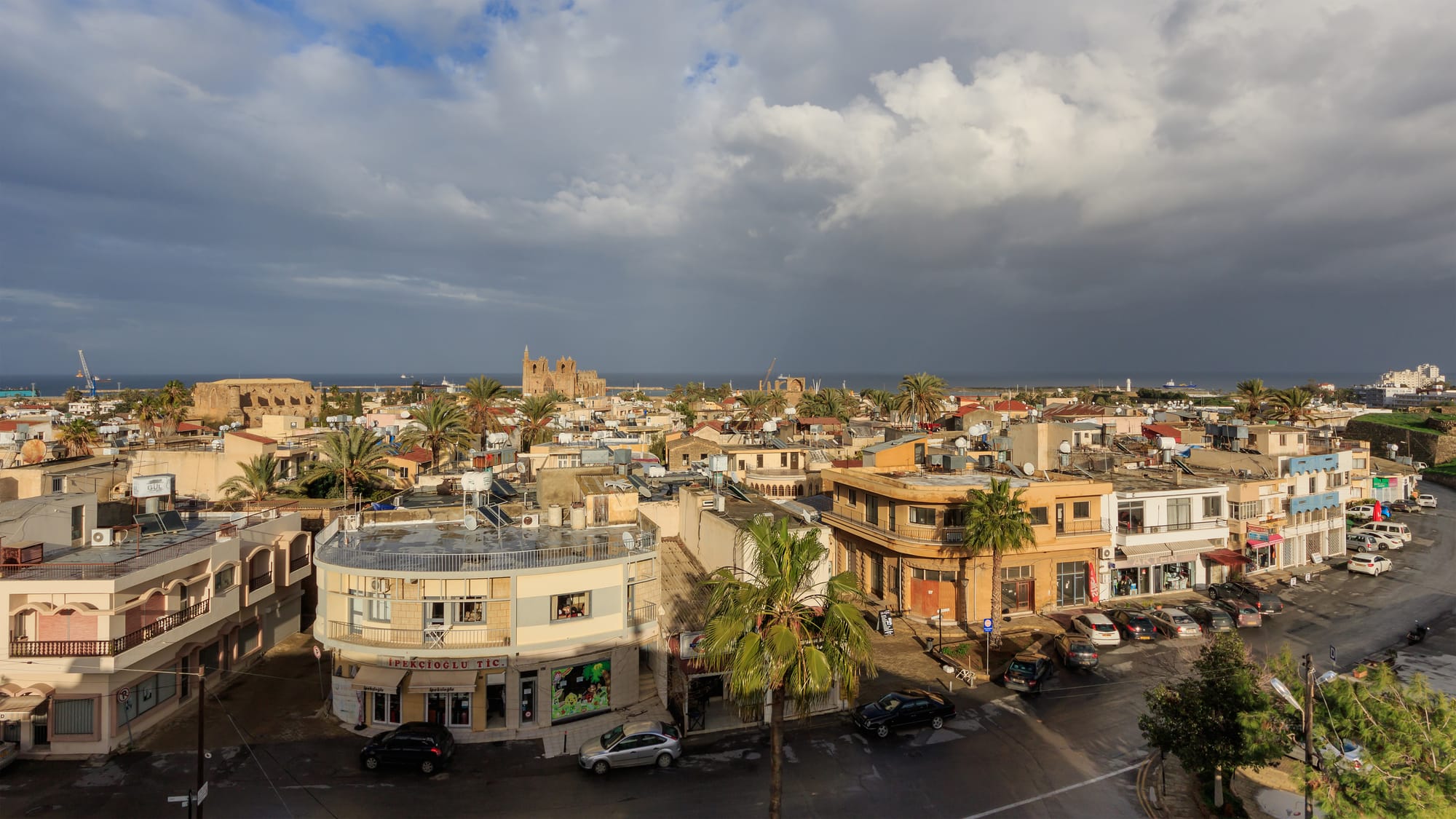
Arsinoe near Salamis. Strabo mentions a city and a harbour between Salamis and Leukolla, and this Arsinoe seems to have been located on the site of modern Famagusta. The paper says medieval Famagusta and the current political status of Cyprus, which does not allow any legal archaeological exploration at the site, prevent more precise work.
Arsinoe near Palaipaphos. Strabo describes an Arsinoe with an anchorage, a shrine and a sacred precinct, listed between Palaipaphos and Hierokepis (Geroskipou). Its precise location is not known. Papantoniou notes that Bekker-Nielsen (1999) compared Strabo's account with Ptolemy the Geographer's and suggested this Arsinoe may be a duplication of Marion/Arsinoe on the north-west side of the island. That, Papantoniou writes, may explain why it has been impossible to locate the city archaeologically or even geographically.
He goes further, proposing that the idea of an Arsinoe city near Palaipaphos should probably be abandoned altogether, and adds that the harbour of Nea Paphos, directly facing Alexandria, was enough to cover the needs of the Ptolemaic maritime network. This is one scholar's argument, offered with a hedge ("probably"), not a settled finding. It is still an argument that a place named in an ancient text may have been a double-counting of another.
Pots from a nymph's cave
For the cult's reach into everyday life, Papantoniou turns to the grotto sanctuary of the Nymph at Kafizin hill, which he calls a unique case study for how the Arsinoe cult was received in Cyprus. Pots dedicated there in the last quarter of the third century BC carry inscriptions in both the Greek alphabet and the Cypriot syllabary. He follows the original chronology published by Mitford, noting that Lejeune had tried to assign the Kafizin corpus to a later period.
His argument is that the use of local scripts was not confined to private and religious life but was also incorporated into Ptolemaic economic activities and administration. He adds that the existing evidence from the island is limited and problematic.
Ancient Cyprus, in its summary of the paper, gives more detail on how that argument plays out. It says Dikaios and Mitford excavated the grotto in 1949. It says many pots are signed by Onesagoras, a barber who served as overseer of divination and often calls himself dekatephoros. Ancient Cyprus says Papantoniou reads him as collecting tithes from tenants of an estate for a company that farmed flax and linseed. On that reading, local elites and local scripts were drawn into Ptolemaic tax collection. Ancient Cyprus adds that Papantoniou calls the idea preliminary and speculative and records the alternative view that the tithes were religious dedications.
The paper also points to a donor from outside the island. The Chytroi inscription mentioning Naias was dedicated by Aristokles son of Aristokles from Alexandria. Papantoniou cites Caneva's interpretation that compound divine names for Arsinoe seem to have been exclusively an Alexandrian habit, and suggests that this donor's Alexandrian origin may confirm it.
What it adds up to
The picture Papantoniou draws is of a cult that ran in two directions. It served royal agendas, and it was received locally, in the abstract's words lying "between specific royal agendas and local receptivity". Some of what the paper says on this, such as the Kafizin tax reading, is flagged as preliminary by its author. The Arsinoe near Palaipaphos is simply a more concrete case. A town with an anchorage is named by Strabo, and no spade has found it. The queen's name was real. Whether every town said to carry it was real is the open question.
Sources
Ancient Cyprus (Drakopoulos, A.) (2026) 'Strabo's Arsinoe near Palaepaphos probably never existed, argues study of a Ptolemaic queen's cult', Ancient Cyprus, 18 October 2026, available at: https://www.ancientcyprus.com/news/arsinoe-cult-ptolemaic-cyprus-papantoniou (Accessed: 21 October 2026).
Papantoniou, G. (2026) 'Political Economy and Imperial Integration: The Importance of the Arsinoe Cult in Shaping Ptolemaic Power', Annual of the British School at Athens, First View, pp. 1–22, Cambridge University Press, published online 16 October 2026, doi: 10.1017/S0068245426100410, available at: https://www.cambridge.org/core/journals/annual-of-the-british-school-at-athens/article/political-economy-and-imperial-integration-the-importance-of-the-arsinoe-cult-in-shaping-ptolemaic-power/B36540C1401803BA2826F13FAD5410D1 (Accessed: 21 October 2026).
Picture credits
- Top picture: Marble head of Aphrodite. Image: Marble head of Aphrodite: Молли, via Wikimedia Commons (CC BY-SA 4.0)
- Famagusta, where the paper says an Arsinoe seems to have stood. Image: View of the walled city of Famagusta: A.Savin, Wikipedia (FAL) (source)
- Map: drawn from Natural Earth (public domain) and Wikidata.

