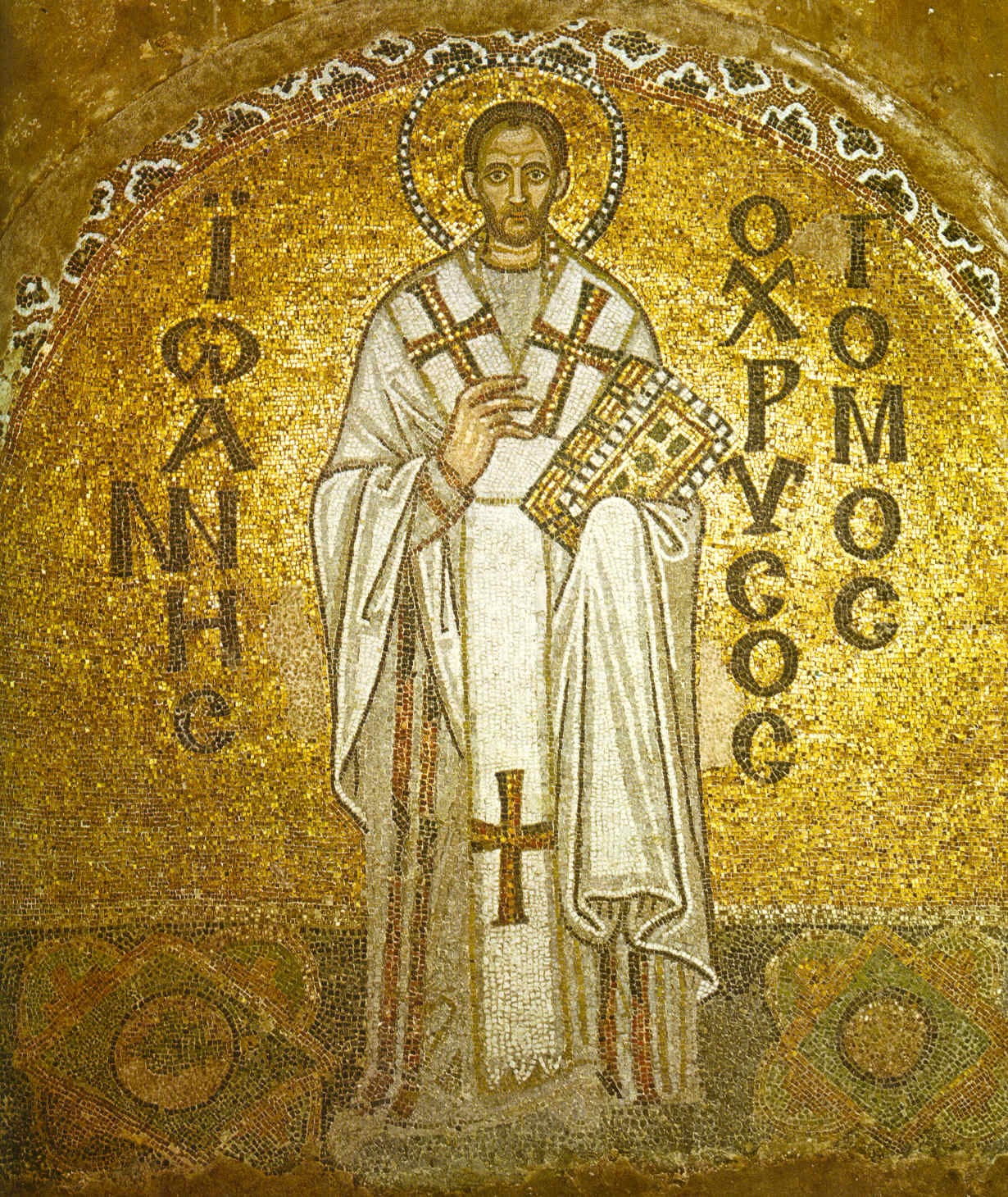
A paper published this month looks at John Chrysostom earlier in his career, writing as a young man from Antioch, and asks what a hostile work about "the Greeks" was doing in a fight over schooling.
The paper is Fabrizio Petorella's "Ἑλληνισμός, Παιδεία, and Two Mythological Narratives in John Chrysostom's Discourse on Blessed Babylas and Against the Greeks". It appears in Millennium, volume 23, issue 1, on pages 121 to 145, and is dated 16 October 2026.
What the work is
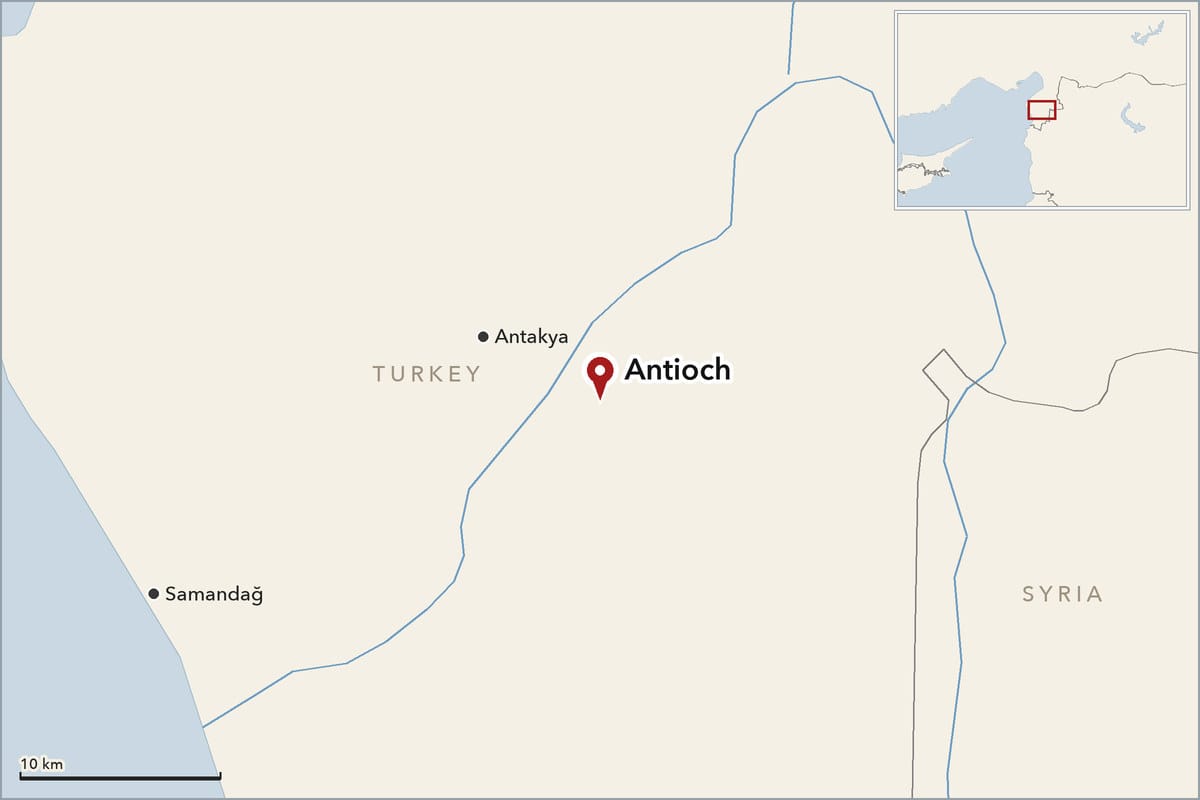
According to the abstract on the De Gruyter Brill page, the Discourse on Blessed Babylas and Against the Greeks was composed in the last quarter of the 4th century by "the young Antiochian John", later known as Chrysostom. The abstract calls it structurally complex: the motifs of a passio, a martyrdom narrative, are woven together with what it describes as "anti-pagan polemic".
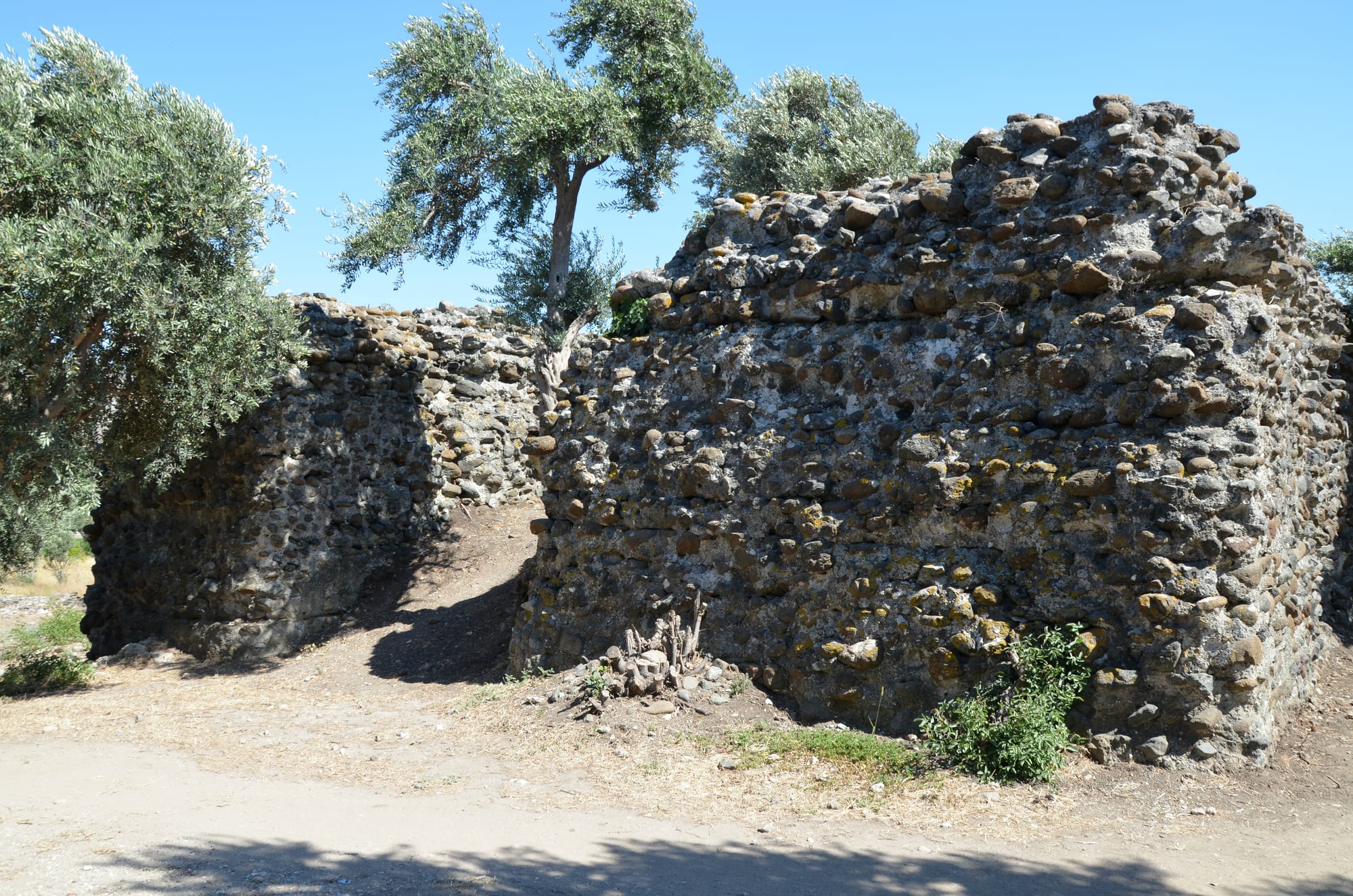
The abstract sets out the structure. An extensive apologetic prologue comes first. It aims to affirm that the miracles performed by the followers of Jesus were authentic, and that the Christian message was true against pagan deceptions and accusations. The author then inserts two long narratives, in Greek diēgēseis, about the deeds of the pious bishop Babylas, whom the abstract calls patron of the local Nicene community.
The education fight
Petorella's argument, as the abstract frames it, turns on what came before. The tract was written in the aftermath of Julian's attempt to exclude Christians from traditional education. Petorella says it therefore cannot help but be influenced by the then-current debate on the religious value of Greek culture, hellēnismos, and especially by the positions Gregory of Nazianzus set out in his Oration 4.
The paper aims to examine that influence. It sets out to show how the future Chrysostom consciously engages with the controversy over the role of paideia, education, sparked by the so-called "edict on teachers".
The abstract singles out one part of the work as a particularly significant example: two mythological tales embedded in the second narrative about Babylas. The final section of the article analyses their stylistic features.
Why it matters
My own view is that this is a useful way to read the text. A text of anti-pagan polemic is here read as part of the debate over Christians, traditional education and the religious value of Greek culture, hellēnismos. On Petorella's reading, the role of Greek education was still a live controversy when Chrysostom wrote.
The full article is Open Access, so anyone can test the argument against the text itself.
Sources
Petorella, F. (2026) 'Ἑλληνισμός, Παιδεία, and Two Mythological Narratives in John Chrysostom's Discourse on Blessed Babylas and Against the Greeks', Millennium 23(1), pp. 121–145, De Gruyter Brill, 16 October 2026, available at: https://www.degruyterbrill.com/journal/key/mjb/23/1/html (Accessed: 21 October 2026).
Picture credits
- Top picture. Image: Mosaic of St John Chrysostom, Hagia Sophia, Istanbul (public domain, via Wikimedia Commons)
- Image: Carole Raddato, CC BY-SA 2.0, via Wikimedia Commons
- Map: drawn from Natural Earth (public domain) and Wikidata.

